
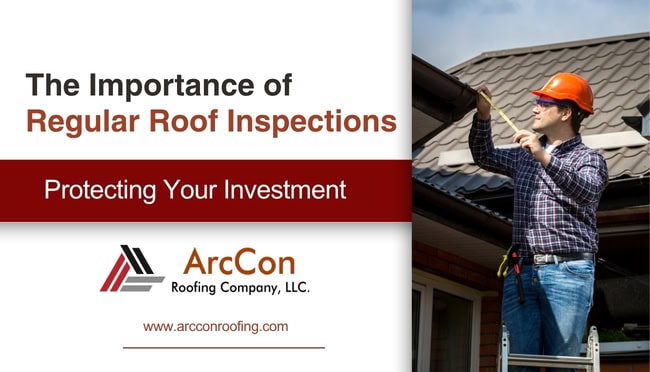
Your roof takes a beating every single day. Sun, rain, wind, hail, and shifting temperatures all wear it down, often in ways you can’t see from the ground. By the time a problem becomes obvious, it’s usually already expensive.
That’s exactly why regular roof inspections are one of the smartest moves a homeowner can make. Periodic roof checkups are a small, predictable expense that protect your property and one of the biggest investments you own: your home. In this post, we’ll walk through the real benefits of residential roofing maintenance, compare the cost of staying ahead of problems versus reacting to them, and answer the questions homeowners ask most.
By the end, you’ll know how often to schedule professional inspections, what they actually catch, and how to keep your roof repairs from spiraling into a five-figure emergency.
Why Routine Roof Maintenance Protects Your Wallet
 A roof is designed to last decades, but only if it’s cared for. Small issues have a habit of growing quietly. A single lifted shingle can let water in, and that water can rot decking, ruin insulation, and stain the ceilings inside your home.
Regular roof inspections allow professionals to catch those early warning signs before they turn into costly repairs. Ignoring even minor potential problems could mean replacing large sections of your roof and repairing interior damage. The math almost always favors the homeowner who plans ahead.
Think of a roof inspection the way you’d think of an oil change. It’s a low-cost habit that prevents the kind of failure that empties your savings account.
The Key Benefits of Regular Roof Inspections
 A trained eye spots trouble long before you would. That head start is where the value lives. Here are the biggest wins that come from staying on a regular inspection schedule:
- Leak prevention: Professional inspections find cracked flashing, worn sealant, and loose shingles before water sneaks inside and causes potential damage.
- Longer roof lifespan: Fixing small issues early keeps the whole system healthy, whether you have an asphalt, tile, or metal roof—helping it reach or exceed its expected service life.
- Insurance compliance: Many policies require proof of upkeep. Documented residential roofing maintenance can protect your claim if damage ever occurs.
- Higher resale value: A clean inspection report reassures buyers and can speed up a sale.
- Energy savings: A sealed, well-maintained roof helps your home hold temperature, easing the load on your HVAC system.
- Peace of mind: You stop worrying about the next storm and start trusting your roof to do its job.
Each of these matters for one simple reason: prevention is almost always cheaper than repair. A minor fix today spares you a major project tomorrow.
Preventative Maintenance vs. Emergency Repairs: The Real Cost
Homeowners often hesitate to spend money on a roof that “looks fine.” The problem is that a roof rarely looks damaged until the damage is severe. The table below shows how quickly costs climb when you wait.
| Scenario | Typical Cost Range | What It Covers |
| Routine Roof Inspection | $150 – $400 | Full visual check, photo report, minor recommendations |
| Preventative Maintenance | $300 – $800 | Sealing, minor shingle/flashing repair, debris removal |
| Major Structural Repair | $1,500 – $7,000 | Decking replacement, water damage repair, framing fixes |
| Emergency Roof Replacement | $8,000 – $25,000+ | Full tear-off and replacement, interior damage restoration |
The pattern is hard to miss. A few hundred dollars spent on roof inspections and upkeep can head off costly repairs that run into the thousands. Potential problems grow fastest when small issues are left alone.
Even one avoided emergency replacement pays for years of proactive care. That’s a return most home improvements can’t match.
How Often Should You Schedule an Inspection?
 For most homes, twice a year works well: once in spring and once in fall. These seasons bookend the harshest weather and let you identify issues and fix damage before the next extreme season hits.
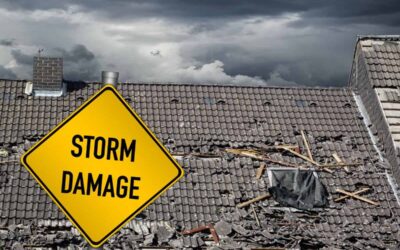
You should also book an inspection after any major storm, especially those with hail or high winds. Storm damage is often invisible from the ground but obvious to a professional on the roof.
If your roof is older than 15 years, consider adding a mid-year periodic roof check. Aging materials need closer attention, and early warnings give you time to budget for eventual replacement.
What a Professional Inspection Actually Includes
 A quality inspection goes well beyond a quick glance. Our roofing services are held to the highest standards, and a thorough team will typically check:
- Shingles or tiles for cracks, curling, missing pieces, and granule loss—including metal roof panels and specialty materials
- Flashing and seals around chimneys, vents, and skylights
- Gutters and drainage to confirm water flows away from your home
- Attic and decking for signs of moisture, mold, or sagging
- Ventilation to prevent heat and humidity buildup
You should walk away with a written report and clear next steps, not vague warnings. That documentation is also what keeps your insurance file in good standing.
Whether you need roof installation, routine maintenance, commercial roofing services, or gutter repairs, working with a team that holds itself to the highest standards means you get answers and a clear action plan—every time.
Frequently Asked Questions
How long does a residential roof last?
Most asphalt shingle roofs last 20 to 30 years, while metal roof and tile options can last much longer. Regular residential roofing maintenance helps your roof reach the high end of that range instead of failing early.
How often should I get a roof inspection?
Twice a year is the general rule for periodic roof checkups, plus an extra check after major storms. Older roofs benefit from more frequent professional inspections.
Can I inspect my roof myself?
You can spot obvious issues from the ground, like missing shingles or sagging areas. Regular roof inspections allow professionals to catch the hidden potential damage that’s far safer and more reliable than climbing up yourself.
Does a roof inspection lower my repair costs?
Yes. Early detection means small, affordable roof repairs instead of costly repairs or full replacements down the road.
Will insurance cover roof damage?
Coverage depends on your policy, but many insurers require proof of ongoing maintenance. Documented roof inspections strengthen your claim if storm or accident damage occurs.
Protect Your Home Before the Next Storm
A roof rarely fails without warning, but those warnings are easy to miss until it’s too late. Regular roof inspections catch potential problems early, extend your roof’s life, keep your insurance in good standing, and save you from expensive surprises. The cost of staying ahead is a fraction of the cost of reacting to a crisis.
The best time to protect your property is before you think you need to. From roof installation and gutter services to commercial roofing and emergency roof repairs, give your home the care it deserves—and the confidence that comes with it.
Ready to safeguard your investment? Book your professional roof inspection today and get a clear, written report from a team that puts your home first.

0 Comments